 EN
EN


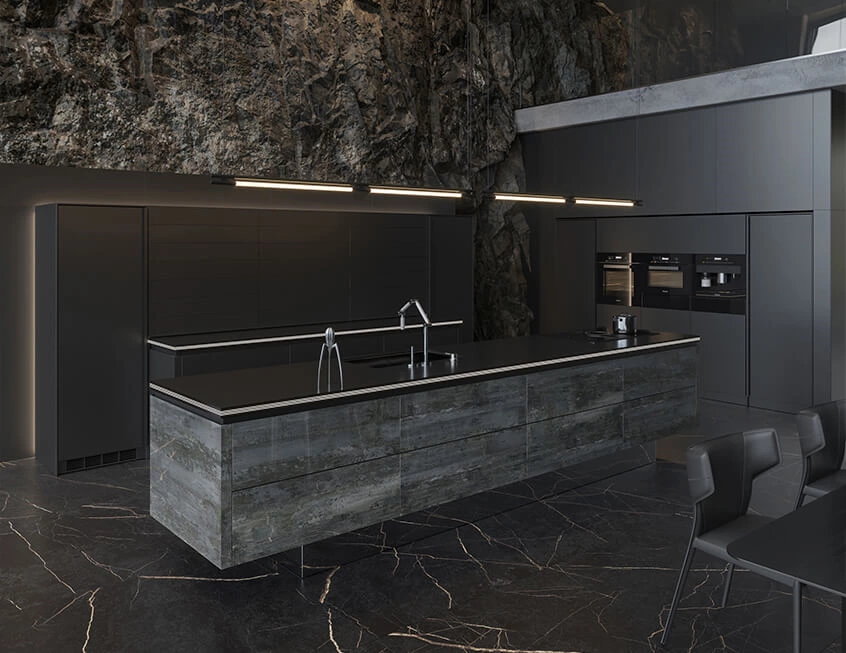
Workflow-Based Storage Layout for Modern Kitchen Cabinet Efficiency
Effective storage arrangement in a modern kitchen cabinet hinges on how the space supports your natural cooking sequence. A layout that aligns cabinet placement with the kitchen’s primary workflow reduces unnecessary steps and keeps essential items within arm’s reach. This transforms the kitchen from a collection of storage boxes into an efficient workspace—making the modern kitchen cabinet a true tool for daily living.
Zoning the Kitchen: Aligning Cabinet Placement with Cooking, Prep, and Cleanup Workflows
The most efficient modern kitchen cabinet configurations go beyond the classic “work triangle” (sink, stove, refrigerator) by dividing the kitchen into functional zones. Each zone stores only what’s needed for its core task—ensuring pots and spices live near the cooktop, dishware and cleaning supplies are grouped by the sink, and pantry staples are placed adjacent to the refrigerator. This targeted placement eliminates cross-room searching and supports fluid movement between tasks.
| Kitchen Zone | Core Task | Modern Kitchen Cabinet Storage Solution |
|---|---|---|
| Consumables Zone | Storing dry goods and ingredients | Tall pantry cabinets with pull-out shelves near the refrigerator |
| Prep Zone | Cutting, mixing, and measuring | Base cabinets with deep drawers for mixing bowls and cutting boards |
| Cooking Zone | Stovetop and oven use | Wall or base cabinets with roll-out trays for pots, pans, and spices |
| Cleaning Zone | Dishwashing and waste management | Under-sink cabinet with pull-out bins for supplies and recycling |
Optimizing Pull-Outs and Soft-Close Drawers by Zone for Seamless Daily Use
Once zones are defined, interior hardware becomes critical. Full-extension pull-out shelves and soft-close drawers aren’t just premium features—they’re ergonomic necessities. In the prep zone, deep drawers with high-quality slides bring contents fully forward, eliminating the need to kneel or dig. In the cooking zone, a pull-out spice rack lets you season without breaking rhythm. Soft-close mechanisms prevent slamming and protect cabinetry—especially valuable in multi-user or high-traffic kitchens. By matching hardware to function, each modern kitchen cabinet evolves from passive storage into an active part of your workflow.
Deep Drawer Systems vs. Traditional Door Cabinets in Modern Kitchen Cabinet Design
Ergonomic Benefits: How Deep Drawers Improve Accessibility and Reduce Strain
Modern kitchen cabinet design increasingly favors deep drawer systems over traditional door cabinets—not for aesthetics alone, but for measurable ergonomic gains. Unlike lower cabinets requiring crouching and reaching, deep drawers with full-extension slides bring entire contents to eye level. This significantly reduces strain on knees, lower back, and shoulders—a benefit validated by the American Occupational Therapy Association’s guidelines on age-in-place design. Soft-close mechanisms further enhance safety and comfort by preventing pinch points and noise. With customizable dividers, each drawer functions as a dedicated zone for cookware or utensils, minimizing clutter and effort. The result is a storage system built for real-life use, not just appearance.
Maximizing Blind Corners: Dual-Access Pull-Out Solutions for Modern Kitchen Cabinet Usability
Blind corner cabinets have long represented wasted space—but dual-access pull-out solutions change that. Systems like swing-out trays or linked pull-out baskets allow retrieval from either side of the cabinet, delivering full visibility and easy access without crawling inside. These units efficiently utilize depth, accommodating bulky items such as roasting pans or compact appliances that would otherwise crowd countertops. When paired with soft-close slides and adjustable shelving, they turn geometrically challenging corners into highly functional, intuitive storage hubs—proven to increase usable corner capacity by up to 70%, according to NKBA (National Kitchen & Bath Association) benchmark data.
Vertical and Corner Space Optimization for Modern Kitchen Cabinet Capacity
Overhead Storage Innovations: Pot Racks, Pegboards, and Backsplash Rails
Maximizing vertical space can boost total kitchen storage capacity by up to 40%. Wall-mounted pot racks free up premium cabinet real estate while keeping frequently used cookware within immediate reach. Pegboards offer unmatched flexibility—easily reconfigured for utensils, tools, or small appliances—and integrate seamlessly with backsplash rails that serve as minimalist landing zones for spice jars or frequently grabbed items. For optimal utility, reserve prime wall space (within 24 inches of primary work areas) for daily-use items. Adding under-cabinet lighting eliminates shadows and enhances both safety and usability—turning unused wall surfaces into high-performance storage assets.
Smart Corner Cabinet Solutions: Lazy Susans, Carousel Units, and Diagonal Pull-Outs
Thoughtful engineering turns corner spaces from dead zones into functional assets. Rotary Lazy Susans provide 360° visibility and smooth rotation, ideal for lighter items like oils or baking supplies. For heavier loads—roasting pans, stockpots, or small appliances—diagonal pull-outs deliver superior weight capacity (50+ lbs) and reduce the “reach penalty” by 62% compared to traditional corner cabinets, per ergonomic studies cited in the NKBA Kitchen Planning Guidelines. Full-extension trays ensure every inch of depth is usable, while soft-close mechanisms preserve cabinetry integrity during frequent access cycles. All three solutions share a common goal: converting spatial constraints into workflow advantages.
Custom Organizational Accessories That Elevate Modern Kitchen Cabinet Functionality
High-Impact Inserts: Spice Racks, Drawer Dividers, and Door-Mounted Storage
Targeted inserts transform generic storage into precision systems. Spice racks mounted on cabinet doors—or integrated into shallow drawers—keep seasonings visible and accessible, reducing countertop clutter. Drawer dividers separate cutlery, utensils, and gadgets so each has a designated home. Door-mounted racks hold cutting boards, foil, or cleaning tools, freeing shelf space for bulkier items. A multi-level pull-out insert for cookware, for example, makes heavy pots easy to retrieve without stacking or shifting—cutting average prep time by nearly 20 seconds per use, based on observational studies in residential kitchen efficiency trials. The key is intentionality: match the insert to the zone’s function and frequency of use.
Shelving Strategy: Fixed Adjustable vs. Expandable Systems for Long-Term Modern Kitchen Cabinet Flexibility
Shelving choice determines how well your storage adapts over time. Fixed shelves offer durability and cost efficiency but lack adjustability. Adjustable shelving—using pin-hole or bracket systems—lets you reconfigure heights for everything from tall cereal boxes to petite spice tins. Expandable systems go further: enabling addition or removal of shelves, integration of pull-out trays, or complete interior reconfiguration as needs evolve. For long-term value, modular shelving delivers the greatest return—particularly for homeowners planning to retain their kitchen layout for a decade or more. A hybrid approach often works best: fixed base shelves for structural stability, paired with adjustable upper tiers for versatility—balancing strength, adaptability, and ease of maintenance.
FAQ
Q: What is the benefit of organizing a kitchen into zones?
A: Organizing a kitchen into zones ensures that everything you need for specific tasks like cooking, cleaning, or prepping is stored where it’s most useful, reducing unnecessary movement and speeding up your workflow.
Q: How does a modern kitchen cabinet improve ergonomics?
A: Modern kitchen cabinets with features like deep drawers, pull-out shelves, and soft-close mechanisms minimize physical strain by making stored items more accessible and reducing bending or crouching.
Q: What can be done to optimize corner cabinet storage?
A: Use dual-access pull-out solutions, Lazy Susans, carousel units, or diagonal pull-outs to maximize the usable space in corner cabinets.
Q: How can vertical space be better utilized in a kitchen?
A: Install wall-mounted pot racks, pegboards, or backsplash rails for added storage. Under-cabinet lighting can improve visibility and make vertical storage more functional.
Q: What are the advantages of using pull-out shelves in kitchen cabinets?
A: Pull-out shelves provide full visibility and easy access to stored items, reducing the time and effort to retrieve cookware, utensils, or pantry items.
Table of Contents
- Workflow-Based Storage Layout for Modern Kitchen Cabinet Efficiency
- Deep Drawer Systems vs. Traditional Door Cabinets in Modern Kitchen Cabinet Design
- Vertical and Corner Space Optimization for Modern Kitchen Cabinet Capacity
- Custom Organizational Accessories That Elevate Modern Kitchen Cabinet Functionality
- FAQ